
MEDICAL PRACTITIONER-LED WOMEN’S INTIMATE HEALTH
Low Libido & Sexual Desire
Confidential consultations for women wishing to discuss reduced sexual desire, changes in arousal, menopause, medicines, pain, stress or relationship factors.
Confidential clinical discussion
Changes in sexual desire can be multifactorial
Low libido generally means a reduction in sexual interest or desire compared with what is usual or comfortable for the individual.
Possible contributors include hormonal changes, menopause, medicines, physical health, pain, fatigue, sleep, stress, mood, relationship factors and previous experiences.
Symptoms and concerns
Concerns that may be discussed

Medical practitioner-led care
Consultations with Dr Mike
Dr Mike is an Australian medical practitioner and founder of Géniale and Géniale Intimate, with 30+ years’ medical experience across cosmetic procedures, menopause-related care and intimate-health consultations.
AHPRA Registration MED0001162043Meet the clinical team
Géniale Intimate is part of Géniale medical, cosmetic and skin services.
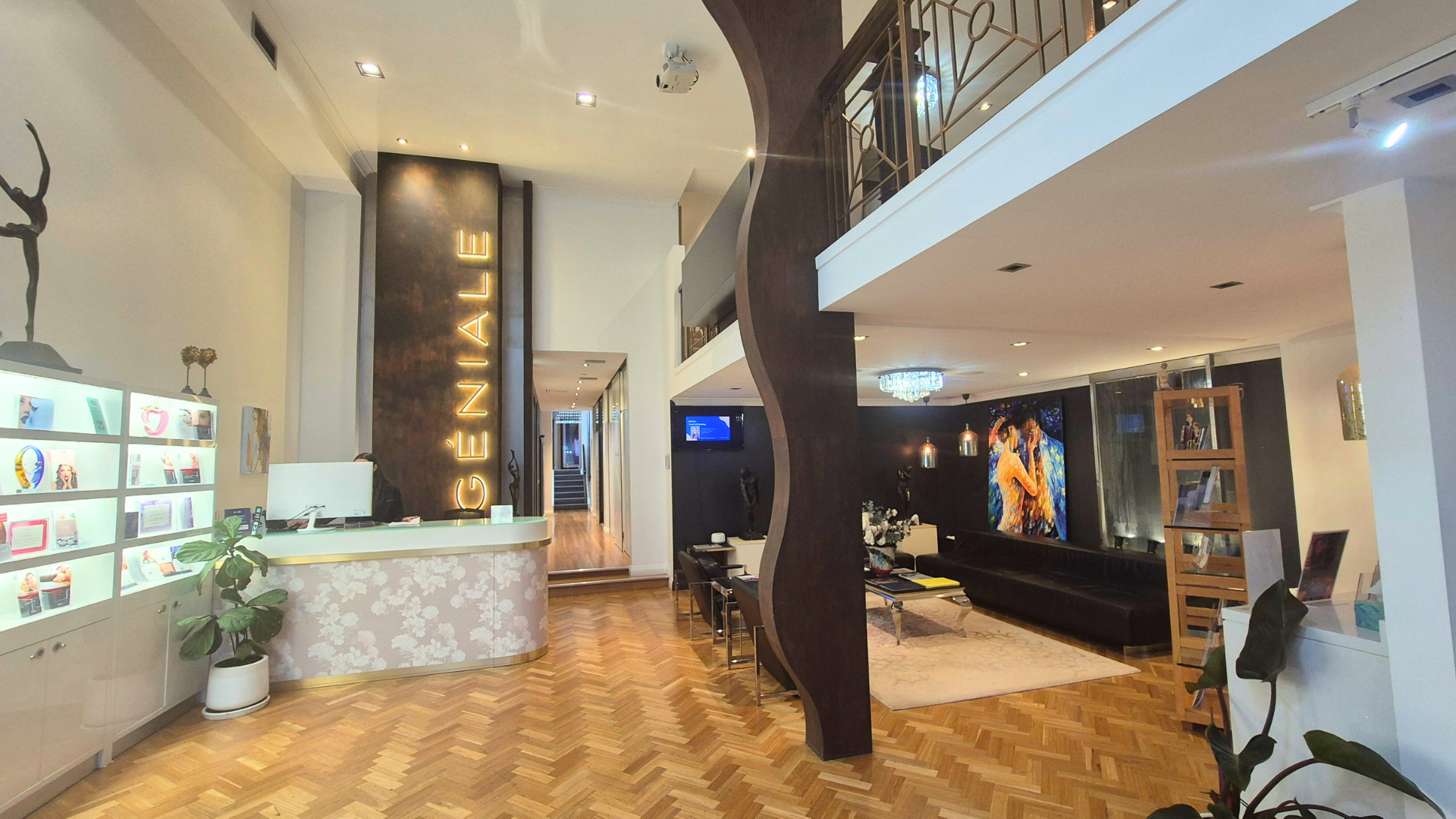
Private medical setting
Private, doctor-led care
Consultations and selected treatments are provided in established medical settings, subject to service availability and individual suitability.
Why assessment matters
Assessment considers physical, hormonal and psychosocial factors
The clinician may review symptoms, timing, medical history, medicines, menopause status, pain, sleep, stress, mood, relationship context and personal goals.
GP, gynaecology, counselling, psychology, sex therapy or other review may be recommended.
Consultation and next steps
Consultation and possible next steps
What may be discussed
Possible contributors, further assessment, conservative strategies, medical review, counselling or referral.
Procedure suitability
An O-Shot or other procedure is not automatically recommended for low libido.
Locations and availability
Locations and Telehealth
Sydney | Melbourne | Gold Coast | Telehealth
Availability varies by service, clinic, practitioner and individual suitability.
Telehealth can be a private first step; examination, investigation or referral may still be required.
Medical references and further reading
Medical references
General education from recognised health organisations.
Frequently asked questions
Questions about this consultation
What does low libido mean?
Low libido generally means lower sexual interest or desire than is usual or comfortable for the individual.
Can menopause affect sexual desire?
Yes. Hormonal changes, vaginal discomfort, sleep disruption, stress and emotional wellbeing may contribute.
Can medicines affect libido?
Yes. Some medicines may affect sexual desire or arousal and can be reviewed with a clinician.
Is low libido always hormonal?
No. Physical, psychological, relationship and lifestyle factors may also contribute.
Could counselling or sex therapy be recommended?
Yes, depending on the concern and assessment.
Is an O-Shot automatically recommended?
No. A procedure is not assumed before assessment.
Can I begin by telehealth?
Yes. A low libido consultation can often begin privately by telehealth.
Start with telehealth
Book your complimentary telehealth consultation
Discuss your concern privately and understand the next appropriate step.
This page provides general information and does not replace individual medical advice. Suitability is assessed individually; all procedures carry risks, and outcomes and recovery vary.
