
Urinary incontinence is common and can affect women at different stages of life. It may involve leakage when coughing, sneezing or exercising, a sudden urge to urinate, or a combination of symptoms.
There are several approaches to managing urinary incontinence. Depending on the cause and severity of symptoms, treatment may include pelvic floor physiotherapy, bladder training, lifestyle measures, medical management, specialist assessment or surgical options.
For some women, non-surgical vaginal treatment may also be considered following an appropriate medical assessment.
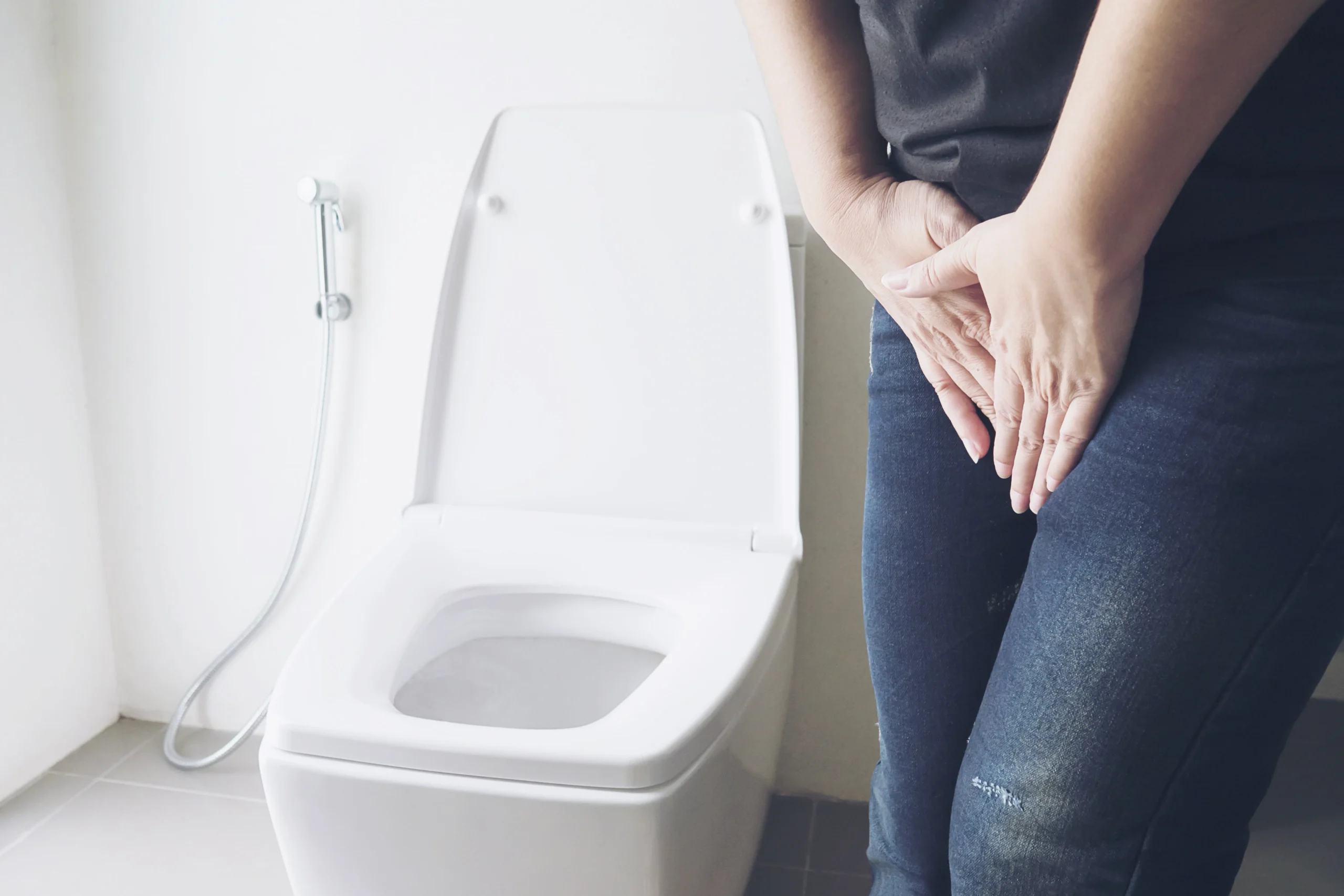
What Is Non-Surgical Incontinence Treatment?
Non-surgical vaginal treatment is an outpatient treatment that uses controlled energy to create a carefully regulated thermal response within vaginal tissues.
The intended response may include tissue remodelling and changes in collagen within the treated tissues. The potential role of this type of treatment in urinary incontinence has been investigated in clinical research, although outcomes can vary between individuals.
Treatment is not appropriate for everyone and should only be considered following an assessment of your symptoms, medical history and individual circumstances.
Who May Be Suitable?
Non-surgical treatment may be considered for some women experiencing stress urinary incontinence, particularly where symptoms involve urine leakage during activities such as:
- Coughing or sneezing
- Laughing
- Exercising
- Lifting
- Other activities that increase pressure on the bladder
Urinary symptoms can have a number of different causes. Women experiencing urgency, frequent urination, recurrent urinary tract infections, pelvic pain or other bladder symptoms may require further assessment before treatment is considered.
A medical consultation is important to determine the likely cause of symptoms and whether non-surgical treatment is appropriate.
What Happens During Treatment?
Treatment is performed in a clinical setting using a specialised vaginal applicator. Controlled energy is delivered to selected vaginal tissues.
The procedure does not involve surgical incisions or sutures. Your practitioner will explain what you can expect before, during and after treatment, including any recommended restrictions or follow-up.
The number of treatment sessions, if any, will depend on the individual assessment and the treatment approach recommended by your practitioner.
Stress Urinary Incontinence
Stress urinary incontinence occurs when urine leaks during activities that increase pressure on the bladder, such as coughing, sneezing, laughing or exercise.
It can be associated with changes in pelvic floor function and support, including changes that may occur following pregnancy and childbirth or with ageing.
Management may include pelvic floor muscle training, lifestyle measures, medical assessment and, where appropriate, other non-surgical or surgical treatments.
Urge Urinary Incontinence
Urge urinary incontinence involves a sudden or strong need to urinate that may be difficult to control and can result in involuntary urine leakage.
Urge symptoms can have different underlying causes. Assessment may include a review of symptoms, medical history, urine testing or other investigations where clinically appropriate.
Treatment may involve bladder training, pelvic floor physiotherapy, lifestyle changes, medication or referral to an appropriate specialist.
A Consultation-Led Approach
Urinary incontinence is not a single condition, and treatment needs to be considered in the context of each patient's symptoms and medical history.
At Géniale Intimate, a consultation allows your practitioner to discuss your symptoms, assess whether further investigation may be appropriate and explain the available management options.
Non-surgical treatment may be discussed where clinically appropriate, but it is not suitable for every patient and does not replace assessment or other recommended forms of care.
What to Expect From Your Consultation
During your consultation, your practitioner may discuss:
- The type and frequency of your urinary symptoms
- When your symptoms started and whether they have changed
- Pregnancy, childbirth and relevant medical history
- Previous treatments and their outcomes
- Pelvic floor health
- Whether further assessment or referral may be appropriate
- Available treatment and management options
Your practitioner will explain the potential benefits, limitations and risks of any treatment that may be appropriate for you.
Discuss Your Symptoms With a Qualified Practitioner
If urinary leakage, urgency or other bladder symptoms are affecting your daily life, a medical assessment can help identify the most appropriate next steps.
Book a consultation with Géniale Intimate to discuss your symptoms and treatment options with a qualified medical practitioner.
